Download Our Brochure
Proin vitae elit vitae ligula fermentum auctor eu vel tortor. Aliquam tristique volutpat ultricies. Nulla facilisi. Vivamus euismod hendrerit ligula, at luctus ipsum fermentum ut.
DOWNLOAD PDF
 2132 East 154th Street, Olathe, KS 66062
November 5, 2026
Trees in Olathe, KS, can develop problems caused by changing weather, insects, diseases, poor growing conditions, and storm damage. Yellowing leaves, dead branches, peeling bark, and a sudden lean are signs homeowners shouldn’t ignore. Some issues are minor, while others can affect a tree’s stability or lead to its decline. At Reliable Tree Service, we help homeowners address tree-related concerns through services such as tree trimming, plant health care, storm damage cleanup, and tree removal.
The most common tree problems in Olathe include drought stress, insect infestations, leaf diseases, dead or broken branches, root damage, and structural weaknesses. Kansas weather can put trees under considerable stress, especially when hot, dry periods are followed by heavy rain or severe storms.
Several factors can contribute to declining tree health:
The Kansas State University publication Tree and Shrub Problems in Kansas covers diseases, insects, mites, and environmental stresses affecting trees across the state.
If a tree on your property shows signs of declining health, our tree care services can help you determine the appropriate next step.
Yellow or brown leaves can indicate drought stress, root problems, disease, insect activity, or normal seasonal changes. The location and timing of the discoloration can help narrow down the cause, but leaf color alone doesn’t confirm a specific problem.
For example, leaves that turn brown along their edges during hot weather may indicate moisture stress. Yellow leaves can also develop when roots struggle to absorb nutrients because of poor soil conditions or excessive moisture. If discoloration appears alongside premature leaf drop, thinning foliage, or dying branches, the tree may need closer attention.
Look for these additional clues:
Some trees naturally lose leaves or change color as the seasons shift. The concern is when the pattern differs from the tree’s normal behavior or appears alongside other symptoms.
Our plant health care and tree service options can help address concerns about declining foliage and other visible signs of tree stress.
Kansas trees can be affected by bagworms, borers, leaf-feeding insects, fungal diseases, cankers, and other pests or pathogens. The specific problem depends on the tree species, its growing conditions, and the organism involved. Identifying the cause matters because not every symptom requires treatment.
Some examples homeowners may encounter include:
The K-State Research and Extension guide to tree and shrub pests provides examples of common Kansas tree problems and the plants they affect.
Avoid applying pesticides based on leaf discoloration alone. A similar symptom can have several causes, and unnecessary treatment may not solve the underlying issue.
At Reliable Tree Service, our plant health care services are available for homeowners who need help addressing tree health concerns.
Dead branches, trunk cracks, and weak branch attachments can result from disease, decay, weather damage, physical injury, or declining tree health. These problems deserve attention when damaged wood hangs above a house, driveway, sidewalk, or other frequently used area.
Deadwood can develop gradually as a tree responds to stress or loses the ability to support particular branches. Storms can also break limbs or expose weaknesses that were already present. A crack extending into a major branch union or the main trunk is more concerning than minor surface damage because it may indicate structural weakness.
Watch for these warning signs:
Not every cavity or dead branch means a tree must be removed. The location, size, extent of decay, and likelihood of failure all influence the appropriate response.
Our tree trimming services can address suitable pruning needs, while a tree with extensive structural damage may require a different solution.
Don’t stand beneath hanging branches or attempt to cut large limbs yourself. If a damaged tree threatens a structure or blocks access, keep people away from the area until it can be assessed.
Strong winds, heavy rain, ice accumulation, drought, and sudden temperature changes can damage trees in Olathe. These conditions may break branches, split trunks, disturb roots, or expose weaknesses that weren’t obvious before the weather event.
Storm damage doesn’t always leave a tree visibly uprooted. A tree can remain standing while developing cracks, broken limbs, or disturbed soil around its base. Heavy rain can also change soil conditions, while prolonged dry weather may weaken a tree before a storm arrives.
After severe weather, check for:
Kansas State University explains that trees with split trunks or extensive bark damage exposing underlying tissue may have a poor chance of surviving severe storm injury. Read its guidance on managing storm-damaged trees.
At Reliable Tree Service, we provide storm damage and emergency tree services for hazardous trees and storm-related problems.
If a tree or branch has contacted a power line, stay well away and contact the utility company or emergency services as appropriate. Never attempt to move the branch or approach the tree yourself.
Root problems can show up as poor growth, thinning foliage, premature leaf loss, a sudden lean, or disturbed soil around the trunk. Because most roots are underground, homeowners often notice the effects above ground before they understand what’s happening below the surface.
Roots need suitable soil conditions, adequate space, and access to water and oxygen. Compacted soil, drainage problems, construction damage, and cuts from excavation can interfere with root function. Roots that grow around the trunk, known as girdling roots, can also restrict the movement of water and nutrients.
Look for these possible warning signs:
A leaning tree isn’t automatically dangerous. Some trees naturally grow at an angle, and a gradual lean can differ from a sudden change accompanied by lifted soil or root movement. However, a newly leaning tree with disturbed ground needs prompt attention.
Avoid digging around the trunk to inspect roots yourself. Extensive root damage may be hidden beneath the soil, and excavation can make the problem worse.
Our tree care services can help homeowners address concerns about tree condition and determine whether further work is needed.
A tree should be trimmed when selective branch removal can address deadwood, clearance issues, or certain structural concerns. Treatment may be appropriate when a tree has a diagnosable health problem, while removal may be necessary when the tree is dead, severely damaged, or presents an unacceptable risk that cannot be managed adequately.
The right decision depends on the type and extent of damage, the tree’s condition, and its location relative to people and property.
Tree trimming may be appropriate when:
Plant health care may be appropriate when:
Tree removal may be appropriate when:
A tree with a few discolored leaves doesn’t automatically need treatment, and a tree with a cavity doesn’t automatically need removal. A proper assessment considers the full tree rather than one symptom.
Reliable Tree Service offers tree removal and trimming services to address different tree conditions and property needs. We can help determine which option fits the situation rather than assuming every unhealthy tree must be removed.
Regular observation, appropriate watering, careful mulching, and timely pruning can help reduce avoidable tree stress. Homeowners can’t prevent every disease or storm injury, but consistent care makes it easier to spot changes before they become more serious.
Use these practices throughout the year:
For additional guidance, consult K-State’s resource on climate considerations for trees, which discusses site conditions, soil, tree selection, and planting practices.
If you notice persistent decline or structural damage, Reliable Tree Service offers tree care services for Olathe and surrounding communities to help you decide what needs attention.
Call (913) 453-5193 or visit Reliable Tree Service to discuss your tree care needs.

Explore our services and contact us for a free estimate or call us now to get started.
Our customer reviews highlight the things people notice when a tree project is handled well: prompt service, fair pricing, good communication, and a clean work area. We encourage prospective customers to read feedback from people who have hired us for tree removal, trimming, and property maintenance.




Reliable Tree Service is AMAZING!! I've had the pleasure of using the company multiple times at my community and Matt is both knowledgeable and approachable. He never steers me in the wrong direction and gives honest answers. Thank you for always providing stellar customer service!!
Read more
Excellent as always. My opinion, best tree team in this area. Owner Matt is awesome.
Read more
Highly recommend Matt and the Reliable Tree Service team. Great service, clear communication, and fair price!
Read more
I love the work Reliable Tree provided. My trees look amazing! They cleaned up and I was so happy! I got several bids and they provided great service at a great price!
Read more
Matt and his team are fantastic. They arrived on time did the work quickly and cleaned up. This is the best company I've used for my tree service! Thank you, Matt!!
Read more
We've used Reliable Tree Service the last few years for tree trimming both at our home and business. They've done an outstanding job. In addition to reliable, they're professional, knowledgeable, and trustworthy. Highly recommend them.
Read more



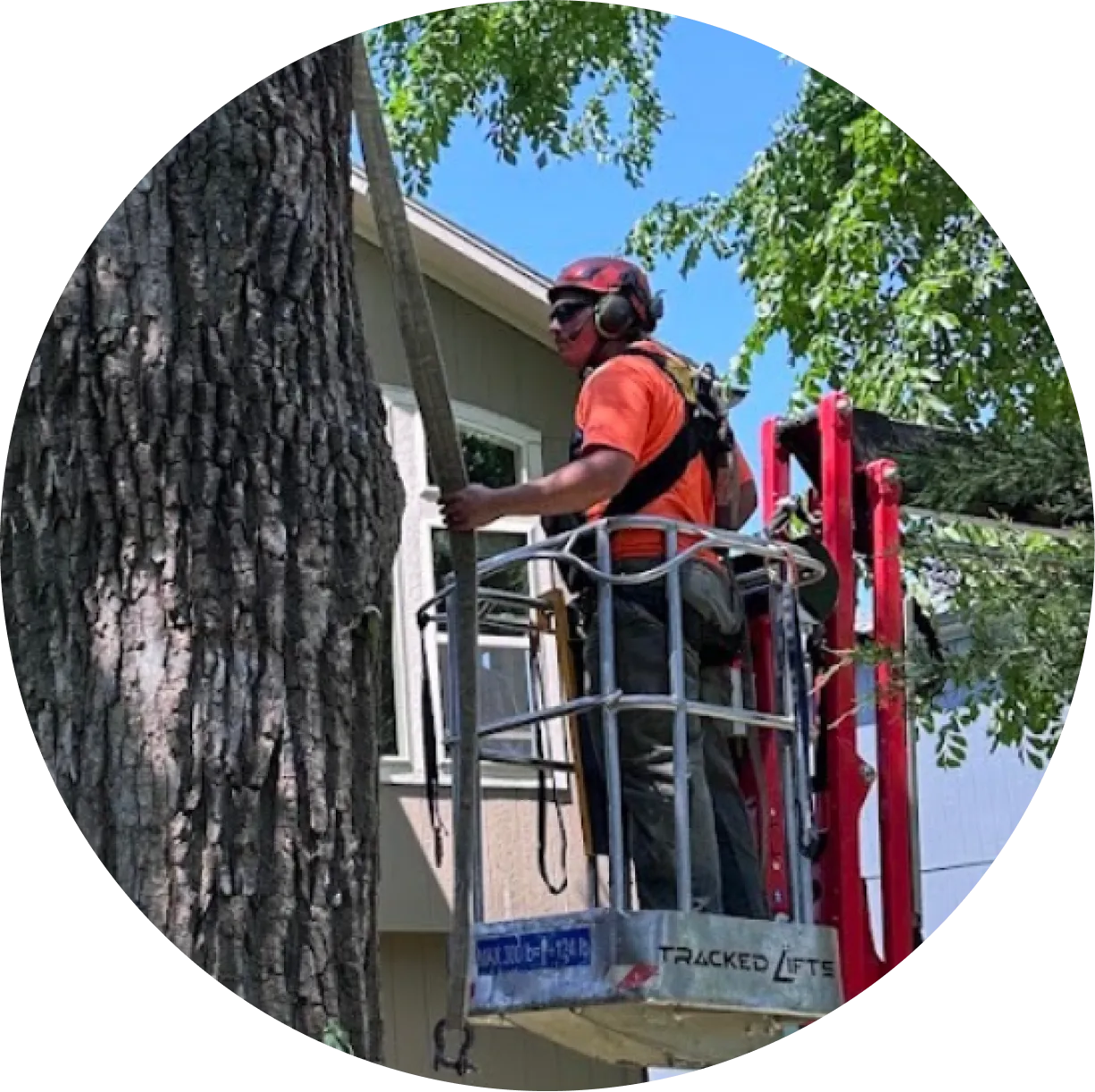
Choose us for expert tree care, sustainable methods, and uncompromised safety.
Your trees deserve the best.

Get the tree service you need with easy financing options!


Start your project with a free, no-obligation estimate today!


Save more on expert tree service with our available discounts!
* All financing is subject to credit approval. Terms and conditions may vary based on your location, lender, and credit history. Sample monthly payments are estimates only. Please consult with our team or your financing provider for exact details.
Financing prequalify now

From hazardous tree removal and routine pruning to storm cleanup and commercial tree care, Reliable Tree Service is ready to discuss your project. We offer free estimates, competitive pricing, and 24/7 emergency service throughout Olathe and the surrounding Kansas City area.
Tell us what’s happening on your property. We’ll discuss the work needed, explain your options, and help you determine the next step.
 Available 24 hours a day for emergency tree service.
Fill out the form below, and we'll get back to you.