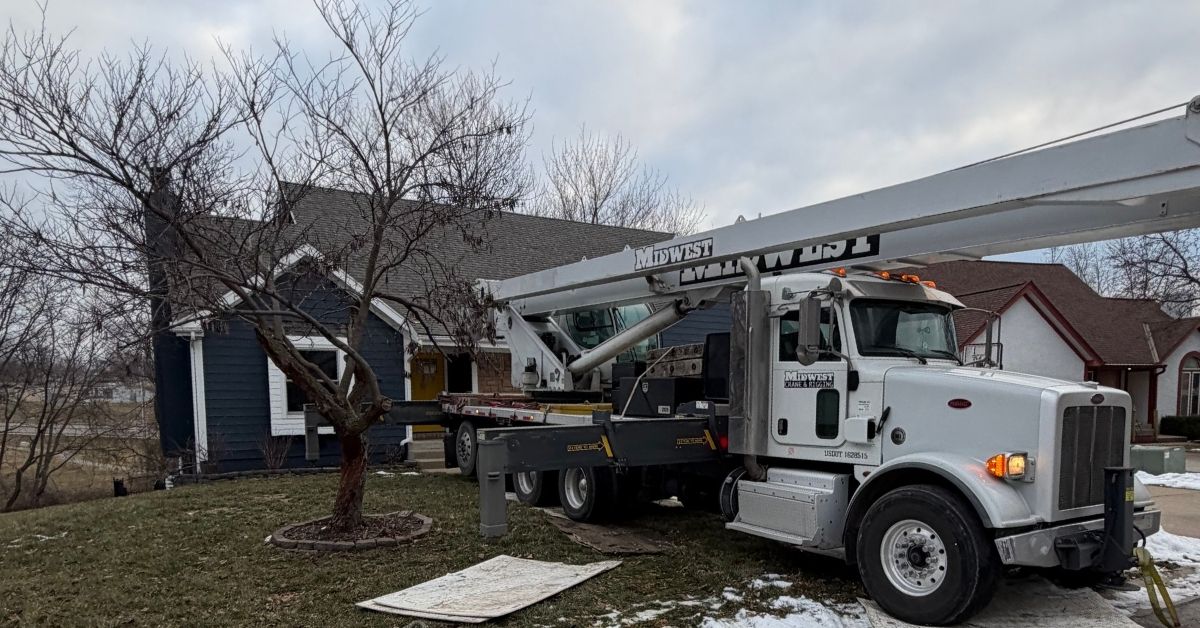
Download Our Brochure
Proin vitae elit vitae ligula fermentum auctor eu vel tortor. Aliquam tristique volutpat ultricies. Nulla facilisi. Vivamus euismod hendrerit ligula, at luctus ipsum fermentum ut.
DOWNLOAD PDF
 2132 East 154th Street, Olathe, KS 66062
November 5, 2026
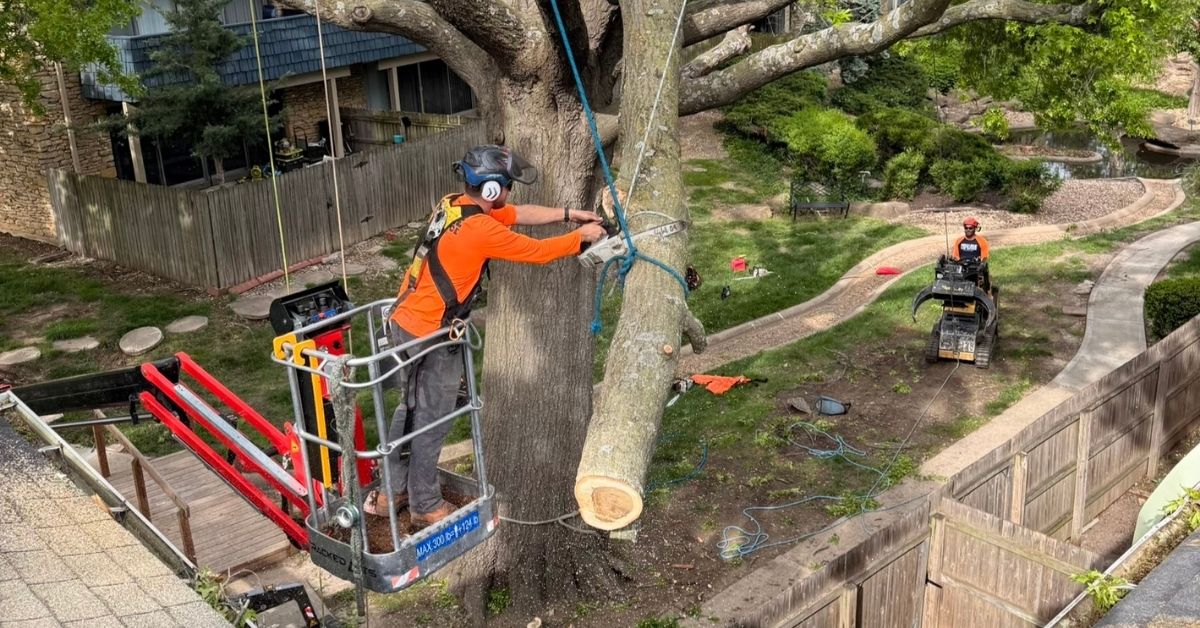
Falling tree limbs can damage your roof, break windows, crush vehicles, and create hazards around your home. The best way to reduce that risk is to have trees inspected regularly, remove dead or structurally weak branches, and address potential problems before strong winds, heavy rain, or ice put extra stress on the canopy. At Reliable Tree Service, we provide pruning, tree health assessments, and storm-related tree services to help homeowners identify hazards and maintain their trees.
You don’t need to remove a healthy tree simply because it grows near your house. In many cases, selective pruning and timely maintenance can address specific risks while preserving the tree.
Dead branches, visible cracks, weak branch connections, and limbs damaged by storms can indicate an increased risk of branch failure. These warning signs deserve attention when a limb extends over your roof, driveway, garage, or a frequently used outdoor area. Spotting a problem early gives you more time to arrange the appropriate work before a branch breaks.
Look for these signs when viewing your trees from a safe location:
Don’t assume a tree is safe simply because it still has green leaves. A tree can appear healthy while individual branches have weak attachments or hidden damage. If you notice a concerning limb, our tree care services can help you determine the appropriate next step.
Regular tree pruning reduces the risk of falling limbs by removing dead, damaged, and poorly attached branches before they become more serious hazards. Selective pruning can also address branches that interfere with a roof or other structures. The goal isn’t to remove as much growth as possible; it’s to improve the tree’s structure without unnecessarily weakening it.
Pruning needs vary by species, age, condition, and growing environment. During an assessment, we look at the branches that pose the greatest concern and determine which cuts are appropriate.
Proper pruning may involve:
Avoid topping a tree by cutting off large portions of its upper canopy to reduce its height. This practice can leave large wounds and encourage new shoots that may have weak attachments.
Pruning also shouldn’t be treated as a one-time guarantee against storm damage. Branches continue growing, trees can develop new defects, and severe weather can break even healthy limbs. Reliable Tree Service offers pruning and trimming to help homeowners address these issues through appropriate tree maintenance.
Inspect trees near your home at least seasonally and after significant storms, while arranging a professional assessment whenever you notice concerning changes. A quick visual check can help you identify obvious problems, but it won’t reveal every internal defect or weak branch attachment. Trees with large limbs above occupied areas deserve particular attention.
Make tree inspections part of your regular property maintenance. Check from the ground without standing beneath suspicious branches, climbing the tree, or using a ladder to reach the canopy.
Pay particular attention to:
After high winds or heavy ice, look for broken branches, fresh cracks, and limbs caught in other branches. If you notice a new lean, a split trunk, or significant root disturbance, keep your distance and arrange a prompt assessment.
An inspection schedule should reflect the tree’s condition and exposure, rather than a rigid calendar alone. Our tree health assessment and care options can help you identify concerns that require closer attention.
After a storm, check your property for visible tree damage from a safe location and arrange prompt help for broken or hanging limbs that could fall. Strong winds, heavy rain, and ice can damage branches that appeared sound before the storm. Don’t assume a tree is safe just because it remains standing.
Walk around your property only when conditions are safe. Look for:
Stay away from downed power lines and any tree or branch touching electrical wires. Don’t attempt to move the branch or clear debris near the wires. Contact the utility company or emergency services as appropriate.
Avoid climbing the tree, using a ladder beneath damaged branches, or attempting to cut a limb that is suspended under tension. A branch under tension can move suddenly when cut, making the work dangerous.
Kansas State University Extension’s guidance on managing storm-damaged trees recommends checking for hanging limbs and electrical hazards before beginning cleanup. If a storm has left a dangerous branch near your home, contact Reliable Tree Service through our emergency tree service information.
Yes. Maintaining tree health can help reduce the likelihood of some branch failures, although a healthy tree can still lose limbs during severe weather. Deadwood, decay, damaged roots, and structural defects can weaken a tree, so identifying and addressing these problems early is an important part of property maintenance.
A few habits can help you keep trees in better condition:
Tree health problems aren’t always visible from the ground. A tree may have root damage or internal decay even when much of its canopy looks normal.
Reliable Tree Service provides tree health care and assessment to help identify potential causes of decline and determine whether pruning, treatment, or another course of action is appropriate.
You can reduce the risk of branch-related roof damage by having trees assessed and pruning limbs that pose a genuine hazard to the house. Branches that touch the roof can scrape shingles, damage gutters, and create repeated friction during windy weather. However, the right solution depends on the tree’s structure and the location of the branches.
Start by identifying the areas where a falling limb would cause the most damage:
Branches don’t need to touch a building to present a risk. A large limb extending over a roof may reach it if the branch breaks, so the tree’s height, branch length, condition, and likely direction of movement all matter.
Avoid cutting back a tree aggressively just to create a large gap above the house. Excessive pruning can damage the tree’s structure and may create new problems. Our tree pruning and trimming services can help address branches that threaten structures while preserving as much healthy growth as practical.
Call a professional tree service when a potentially hazardous branch is large, high above the ground, cracked, suspended, or positioned over a structure. Professional assessment is also appropriate when you notice significant decay, weak branch attachments, or damage to the trunk or roots. These problems can be difficult to evaluate accurately from ground level.
Some situations require more than routine pruning. For example, a large dead limb over a bedroom may warrant prompt attention even if it hasn’t started falling. A split limb hanging over a driveway may require immediate hazard management, particularly if people or vehicles could pass underneath it.
At Reliable Tree Service, we can assess the condition of the tree and recommend the appropriate work based on the risk and the tree’s structure. Depending on the findings, that may involve selective pruning, additional tree health care, or removal if the tree presents a hazard that cannot be adequately managed through pruning.
Don’t wait for a branch to fall before addressing a known problem. If you’re unsure whether a limb poses a risk, arrange an assessment through our free tree service bid request.
Before storm season, inspect trees around your home, address known hazards, and make sure you have a plan for dealing with storm damage. Preventive maintenance is easier to arrange before a severe weather event than after damaged branches have blocked a driveway or landed on a roof.
Use this checklist to prepare your property:
In the Olathe and Kansas City area, preparation should account for the range of weather conditions that can affect trees, including strong thunderstorms, heavy rain, and winter ice. No maintenance plan can eliminate every risk, but addressing visible defects before severe weather can reduce preventable hazards.
If you want to schedule an assessment or discuss preventive tree care, use our contact page to get in touch with Reliable Tree Service.

Explore our services and contact us for a free estimate or call us now to get started.
Our customer reviews highlight the things people notice when a tree project is handled well: prompt service, fair pricing, good communication, and a clean work area. We encourage prospective customers to read feedback from people who have hired us for tree removal, trimming, and property maintenance.




Reliable Tree Service is AMAZING!! I've had the pleasure of using the company multiple times at my community and Matt is both knowledgeable and approachable. He never steers me in the wrong direction and gives honest answers. Thank you for always providing stellar customer service!!
Read more
Excellent as always. My opinion, best tree team in this area. Owner Matt is awesome.
Read more
Highly recommend Matt and the Reliable Tree Service team. Great service, clear communication, and fair price!
Read more
I love the work Reliable Tree provided. My trees look amazing! They cleaned up and I was so happy! I got several bids and they provided great service at a great price!
Read more
Matt and his team are fantastic. They arrived on time did the work quickly and cleaned up. This is the best company I've used for my tree service! Thank you, Matt!!
Read more
We've used Reliable Tree Service the last few years for tree trimming both at our home and business. They've done an outstanding job. In addition to reliable, they're professional, knowledgeable, and trustworthy. Highly recommend them.
Read more



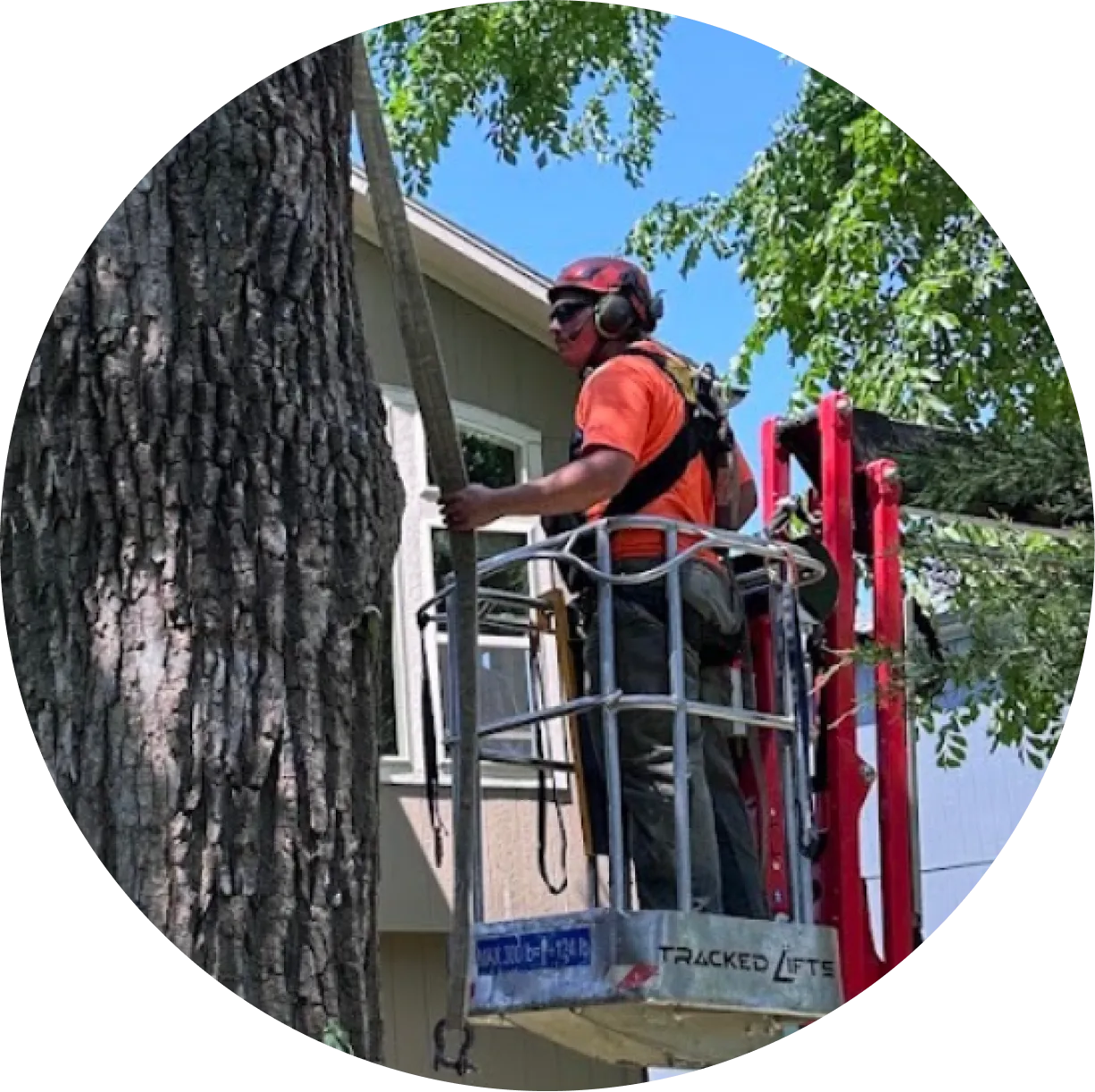
Choose us for expert tree care, sustainable methods, and uncompromised safety.
Your trees deserve the best.

Get the tree service you need with easy financing options!


Start your project with a free, no-obligation estimate today!


Save more on expert tree service with our available discounts!
* All financing is subject to credit approval. Terms and conditions may vary based on your location, lender, and credit history. Sample monthly payments are estimates only. Please consult with our team or your financing provider for exact details.
Financing prequalify now

From hazardous tree removal and routine pruning to storm cleanup and commercial tree care, Reliable Tree Service is ready to discuss your project. We offer free estimates, competitive pricing, and 24/7 emergency service throughout Olathe and the surrounding Kansas City area.
Tell us what’s happening on your property. We’ll discuss the work needed, explain your options, and help you determine the next step.
 Available 24 hours a day for emergency tree service.
Fill out the form below, and we'll get back to you.